The Future of Low-Water Exterior Cleaning in Melbourne
@donovanoevv880
Low-water exterior cleaning is becoming an increasingly practical choice for Melbourne homes, businesses and owners corporations. In 2026, the focus is not simply on using less water: it is on matching the cleaning method to the surface, preventing pollution and achieving results without unnecessary repeat washing.
For property owners, the biggest improvements come from better equipment control, thorough preparation and responsible wastewater management—not necessarily higher pressure.
What Does Low-Water Exterior Cleaning Involve?
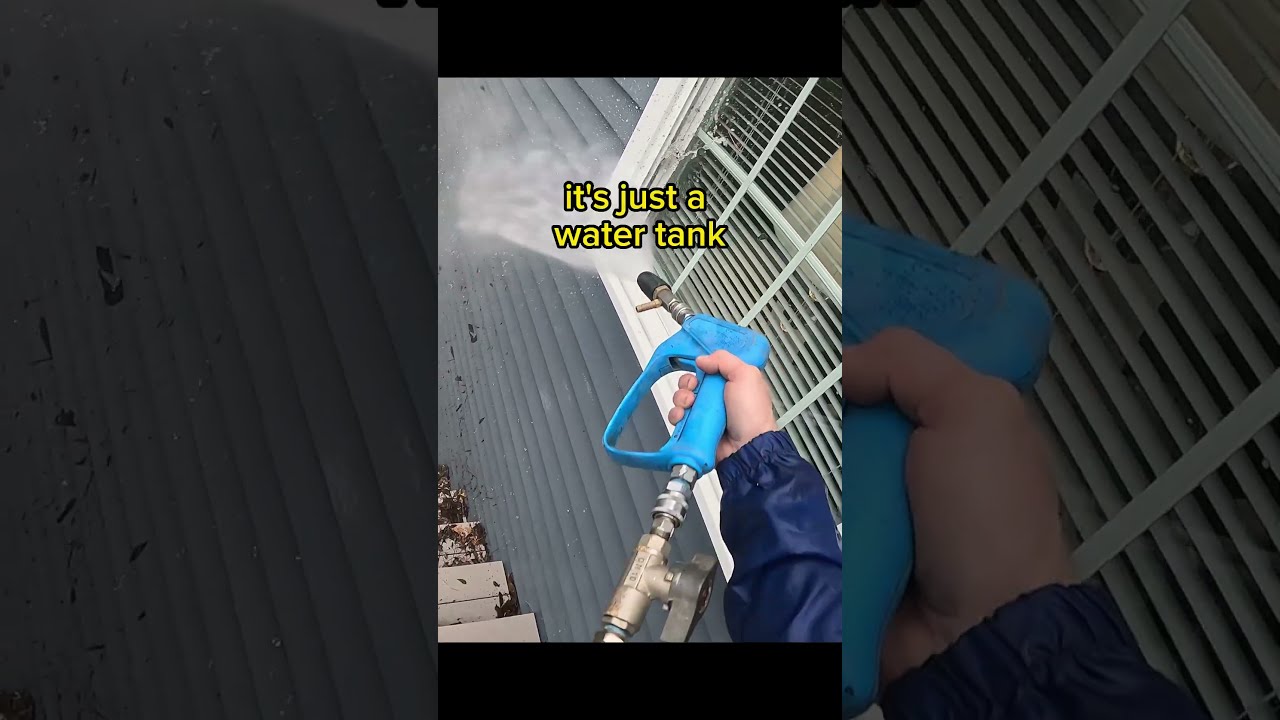
Low-water cleaning reduces the amount of fresh water needed to remove dirt, algae, mould and other surface contamination. Depending on the job, this can involve dry debris removal, controlled-flow pressure cleaning, targeted soft washing or equipment that captures wastewater.
Low pressure and low water use are not the same thing. Soft washing uses lower pressure, often with a cleaning solution, but total water consumption still depends on the equipment, application time and rinsing requirements. Similarly, a pressure washer’s water efficiency depends on its flow rate and how long it operates.
Methods Shaping Exterior Cleaning in Melbourne
Surface-Specific Cleaning
Adjustable pressure, suitable nozzles and controlled application help cleaners avoid using more water or force than necessary. Sound concrete may tolerate methods that damage aged mortar, painted weatherboards or softer stone. A small test patch helps establish a suitable approach before the full clean begins.
Better Preparation and Targeted Treatment
Sweeping, vacuuming https://dallasbbjs544.dovetailscope.com/posts/rust-stains-on-concrete-causes-and-cleaning-options or collecting loose debris before washing reduces the material that must be flushed away. Treating isolated stains can also avoid repeatedly washing an entire driveway or façade. Cleaning products still need to be compatible with the surface and used according to their labels.
Wastewater Recovery
Capture mats, drain covers, bunding and wet vacuums can help contain runoff. Some systems also filter water for reuse, although suitability depends on the contaminants, equipment and cleaning task. Capturing water does not automatically make it safe to reuse or discharge.
Water Rules and Stormwater Protection
Melbourne properties are subject to Victoria’s permanent water-saving rules, and additional restrictions can apply when conditions change. Before booking hard-surface cleaning, check the current requirements with your water retailer. Rules can limit when and how drinking water is used on driveways, paths and other paved areas; owning a pressure washer does not provide blanket permission.

Wastewater management matters just as much. Melbourne’s stormwater drains generally carry runoff to waterways without sewage treatment. Cleaning water containing detergent, oil, paint particles or sediment should not be allowed to enter them. A contractor should explain how runoff will be contained and disposed of lawfully, including any approvals needed for sewer discharge.
Questions to Ask Before Booking
- What method suits my surface, and will you carry out a test patch?
- What is the equipment’s flow rate, and approximately how much water will the job require?
- How will you protect nearby plants, electrical fittings and stormwater drains?
- Will wastewater be recovered, and where will it be disposed of?
- Do current water-use rules allow the proposed work?
What Could Change in 2027 and Beyond?
Further adoption of flow monitoring, more compact recovery equipment and improved filtration could make water use easier to measure and reduce. However, “water-saving” claims are most useful when supported by figures, such as estimated litres used for a clearly defined cleaning area.
For Melbourne property owners, the sensible approach is already available: remove loose debris first, choose a surface-appropriate method, control runoff and schedule maintenance according to actual buildup. The future of low-water exterior cleaning is about using the right amount of water—not promising that every surface can be cleaned without it.

Melbourne Pressure Cleaning Pros
(03) 8007 3103